
Free 3D design workshops for kids 10–15 · Hinsdale, Illinois
Hi, I'm Ahaan. I teach kids to design things in 3D, and then we print them.
C4G, short for CAD for Good, is a free four-session workshop for small groups of 5 to 8 kids. They learn to design in Tinkercad, and everything they make gets 3D printed so they can take it home.
I wrote the lessons and teach every session, and one of my parents comes as the supervising adult. I'm booking libraries and youth programs for winter and spring 2027 now.
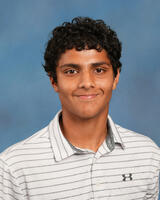
Ahaan Anand · High school student, HinsdaleI designed and built EcoFloat, an autonomous boat that maps oxygen levels in local lakes. Through that research, I've worked with a professor and researcher at Northwestern University and a lake ecologist at the Forest Preserve District of DuPage County. See my projects
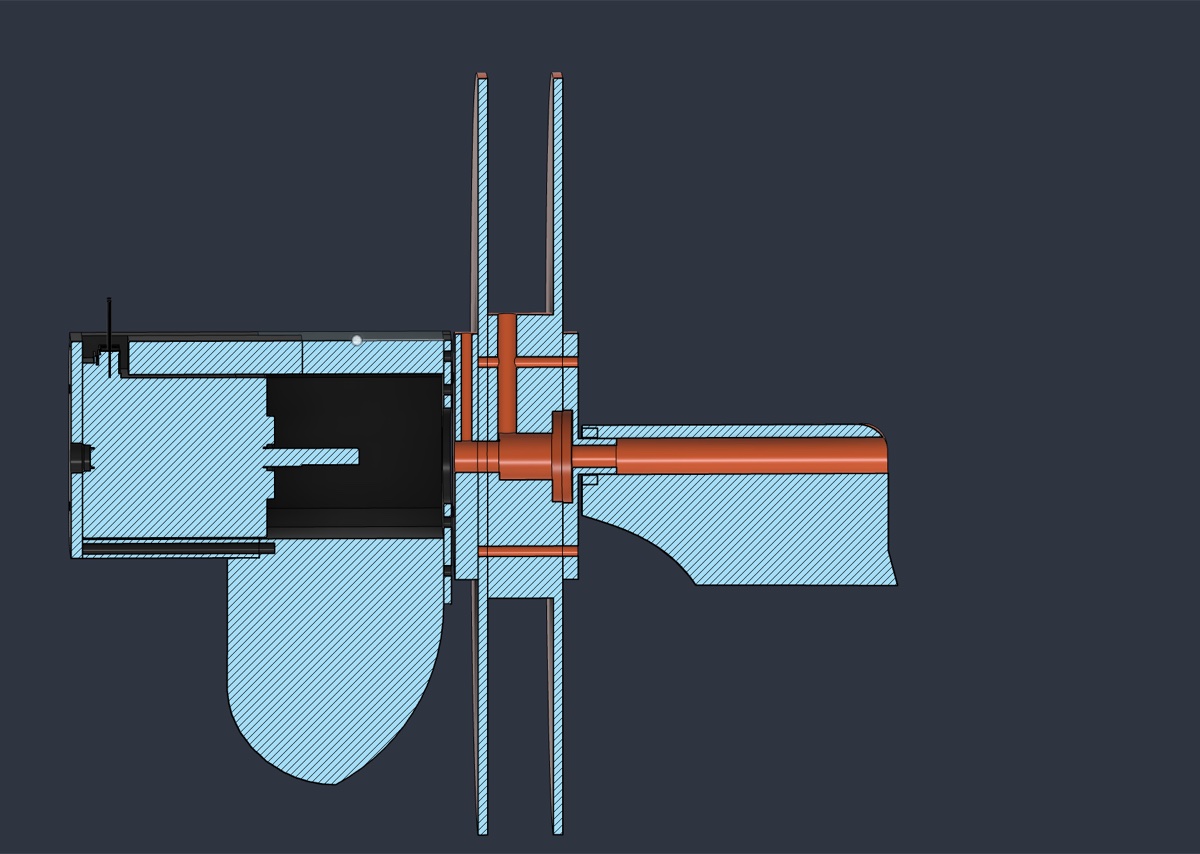
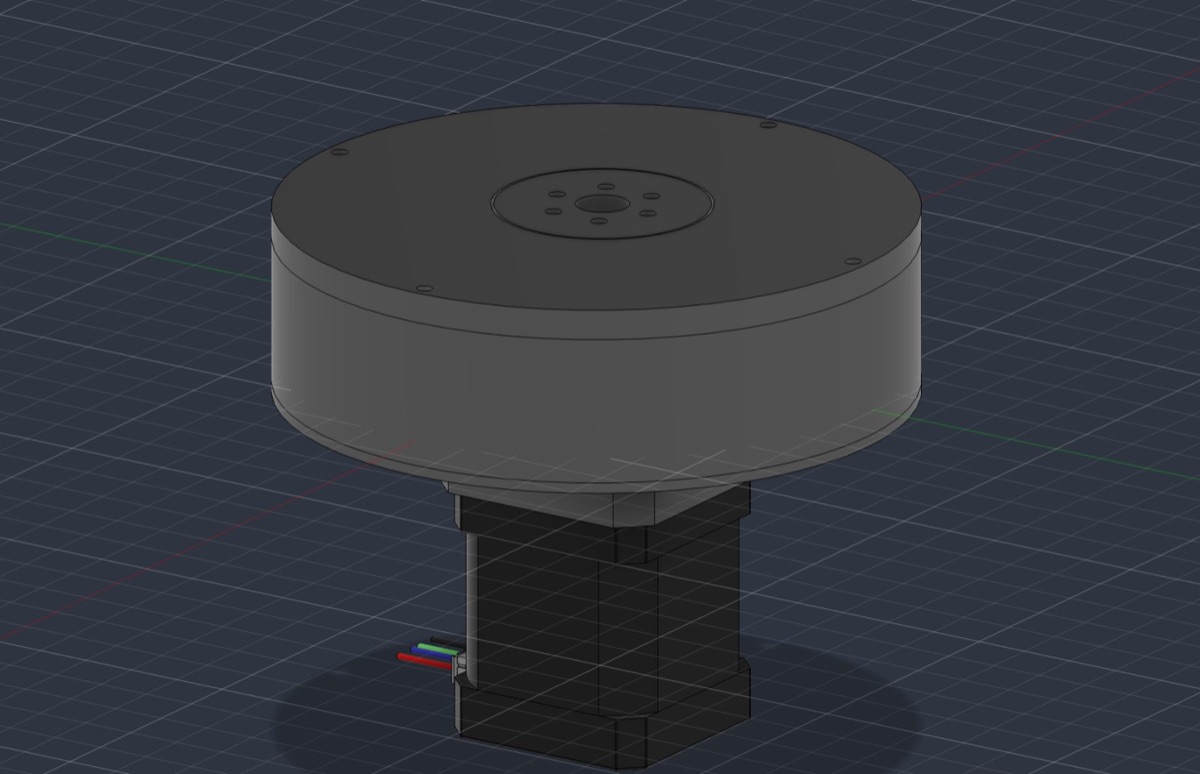
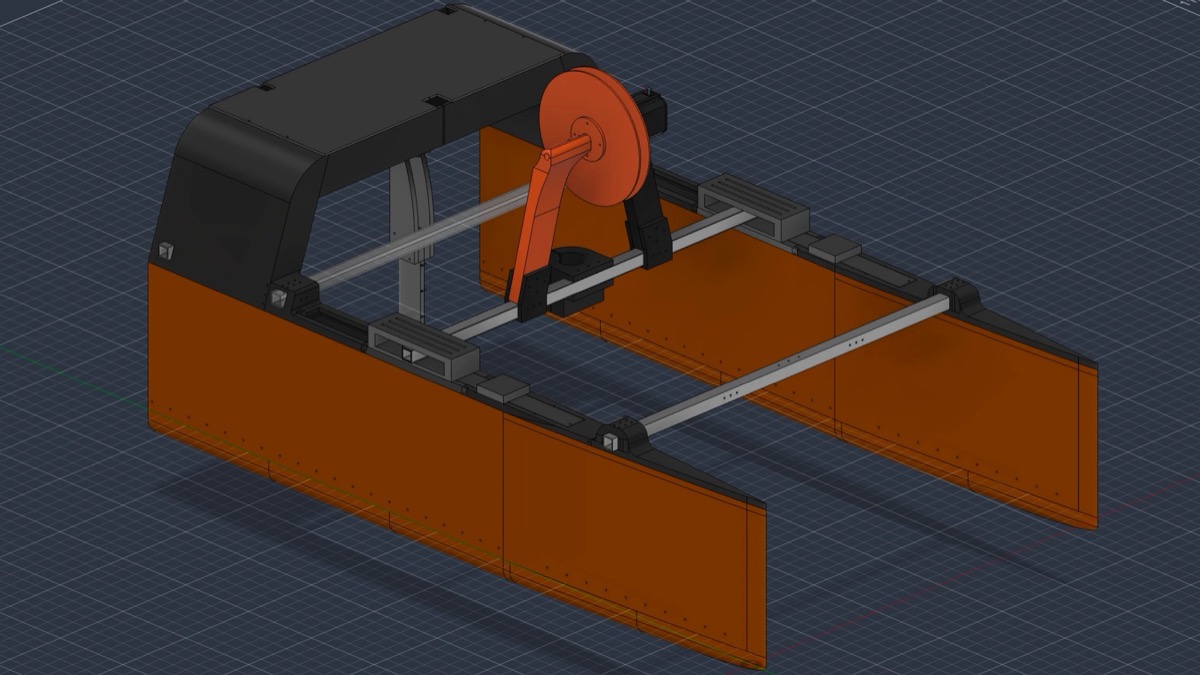 1 · Designed in Fusion 360
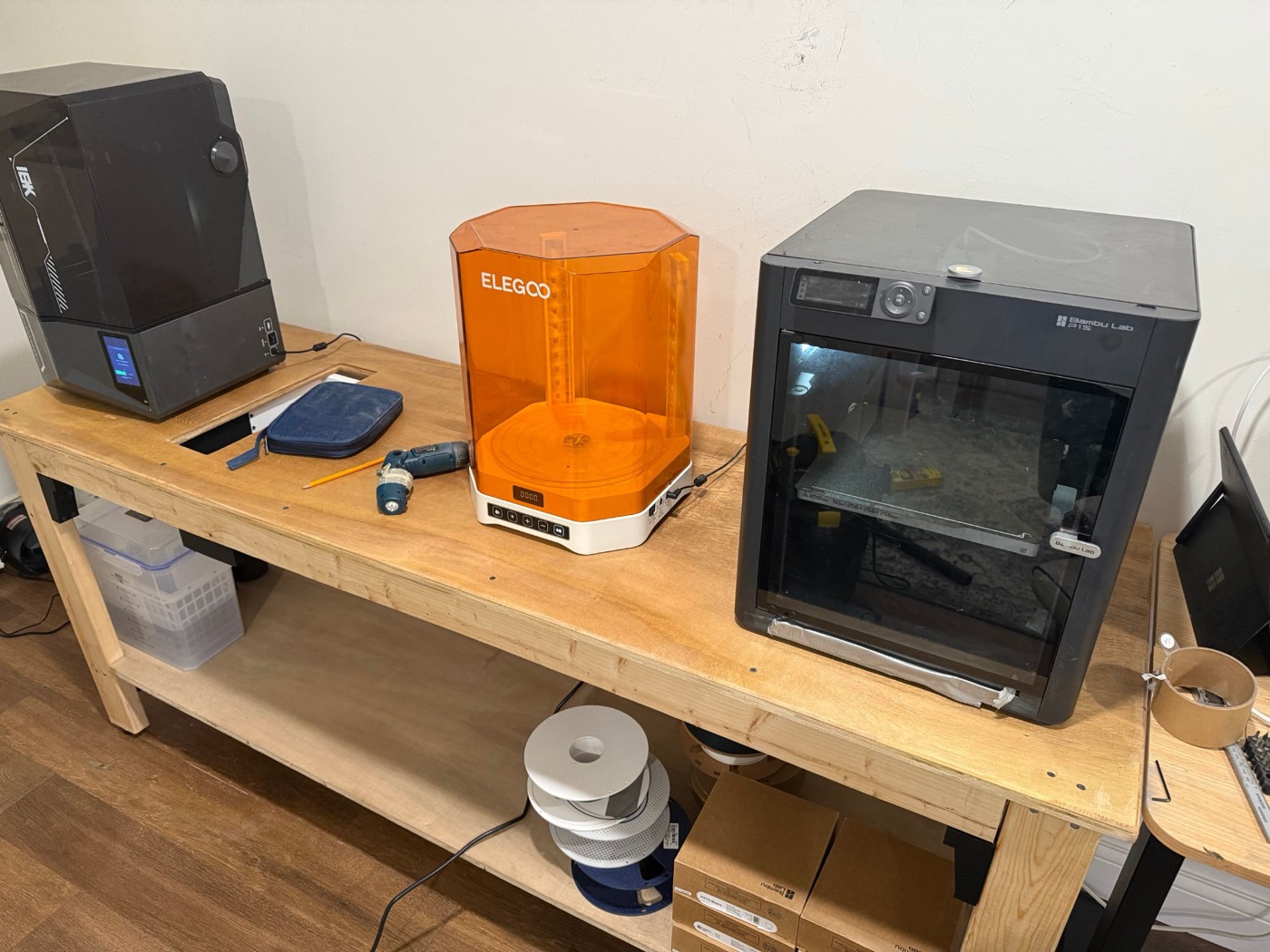
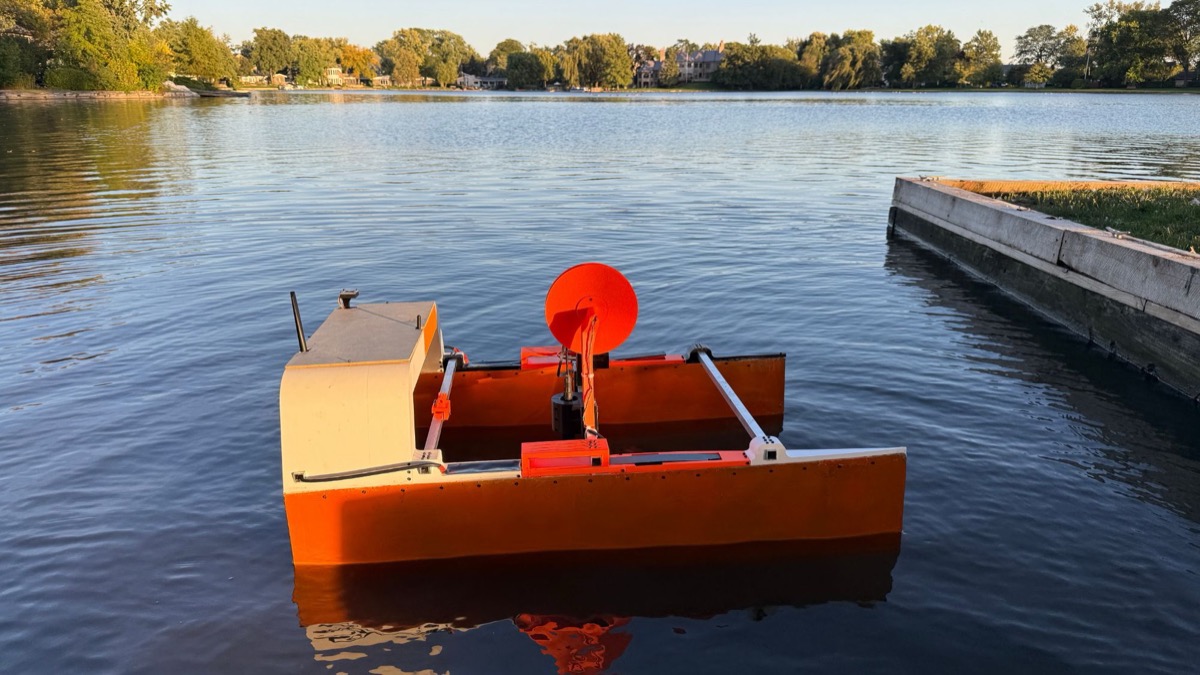 2 · Built with 3D-printed parts
What kids do in four sessions
No experience needed. Each session builds on the last one, and every kid goes home with something they designed, printed that day or ready at the next session.
-
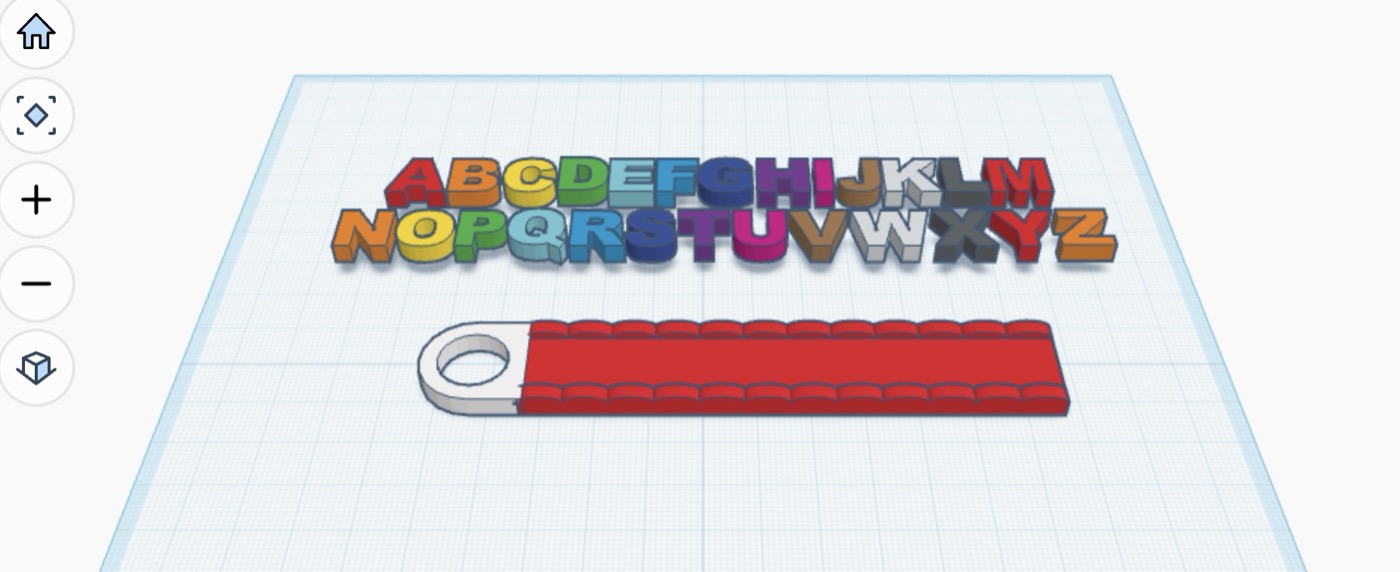
Session 1: A name keychain
Make a Tinkercad account, learn to move around the workplane, and design a keychain with your name on it. Then we print everyone's.
Takes home: their keychain
-
Session 2: A phone stand
Learn to cut and combine shapes, the move behind almost all 3D design, and use it to build a phone stand.
Takes home: a phone stand
-
Session 3: Your own idea
Each kid sketches something they want to exist, then builds it with one-on-one help from me.
Takes home: a design that's all theirs
-
Session 4: Finish it and show it off
Polish and print final projects, have a mini show-and-tell, and learn how to keep designing at home for free.
Takes home: a finished project
- Who
- Kids ages 10–15, in groups of 5 to 8
- When
- Four sessions, one a week
- Cost
- Free, for families and for the host
- Software
- Tinkercad, which is free and runs in a web browser
- Language
- English
Hosting C4G at your library or program
The first thing I always ask:
Can you seat 5 to 8 kids at internet-connected computers, in one room, at the same time, four times?
If the answer is yes, everything else is simple. Here's how the work splits.
What I bring
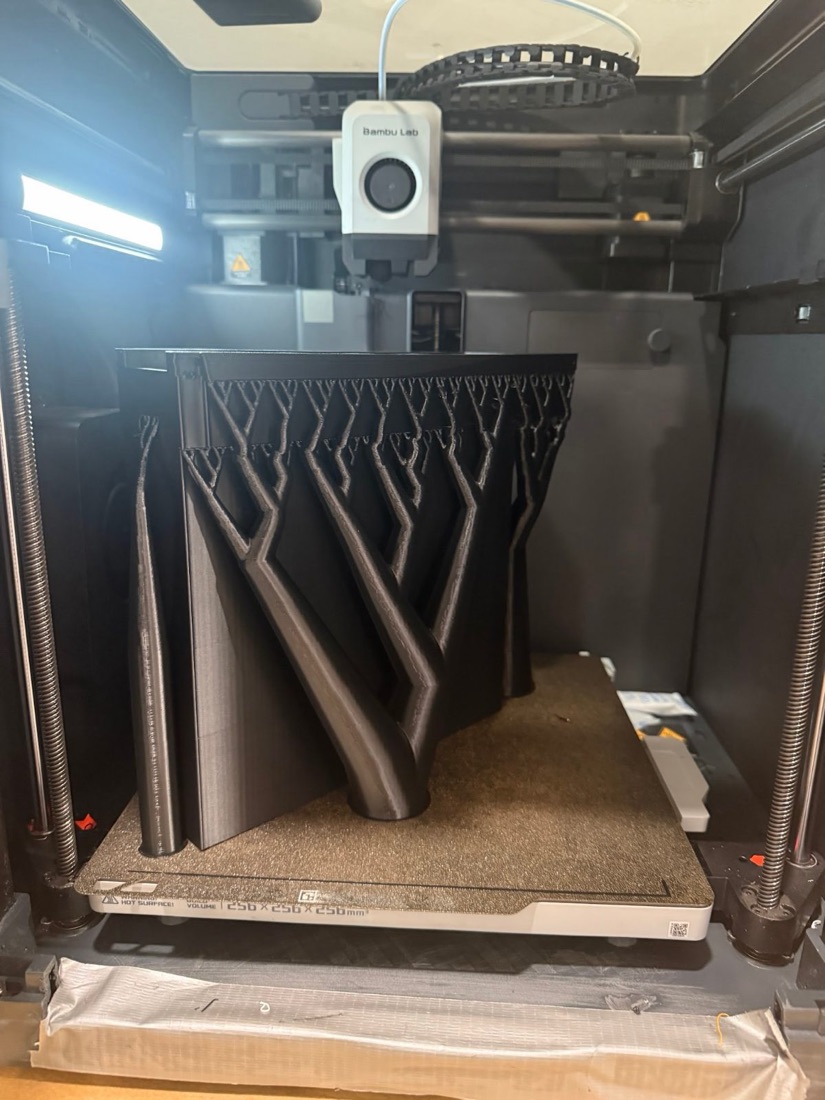
- 3D printers and all the filament
- The lessons. I wrote them and I teach all four sessions.
- Every project material, free
- One of my parents as the supervising adult, every time
What I need from you
- A room on a regular weekday afternoon or Saturday
- Internet-connected computers or laptops, reserved for the group
- A power outlet and a bit of table space for the printer
- Help letting families know, with a flyer, newsletter, or sign-up sheet
Timing
Libraries usually plan programs three to six months out, so I'm filling winter and spring 2027 now. If you're not sure your space works, email me anyway and tell me what you have.
How it usually goes
- You email me, or fill in the form below.
- We do a quick call or visit to look at the room and computers.
- We pick four dates, same time each week.
- You let families know.
- I teach, the printer runs, and kids take home what they made.
Keeping it safe
Your first job is keeping kids safe, so here's exactly how this works.
- An adult at every sessionOne of my parents is there each time as the supervising adult. Your staff never have to run it.
- Small groupsFive to eight kids means everyone gets real attention, and the room is easy to supervise.
- Your building, your rulesSessions follow your policies and fit around your schedule.
- Just volunteersWe're not a company or a vendor. There's nothing to sell, no fees, and no contract.
About me
I'm Ahaan Anand, a high school student in Hinsdale. Almost everything I build starts in CAD. I design in Fusion 360, print parts on a Bambu Lab P1S and an Elegoo resin printer, and write up each build on my blog, madebyahaan.com.
My biggest project is EcoFloat, a boat I designed and built to measure oxygen levels in local lakes. It's taken me from a trash-collecting prototype to real field research, including work with a professor and researcher at Northwestern University and a lake ecologist at the Forest Preserve District of DuPage County. Here's some of what I've built, and how each one connects to what kids learn in C4G.
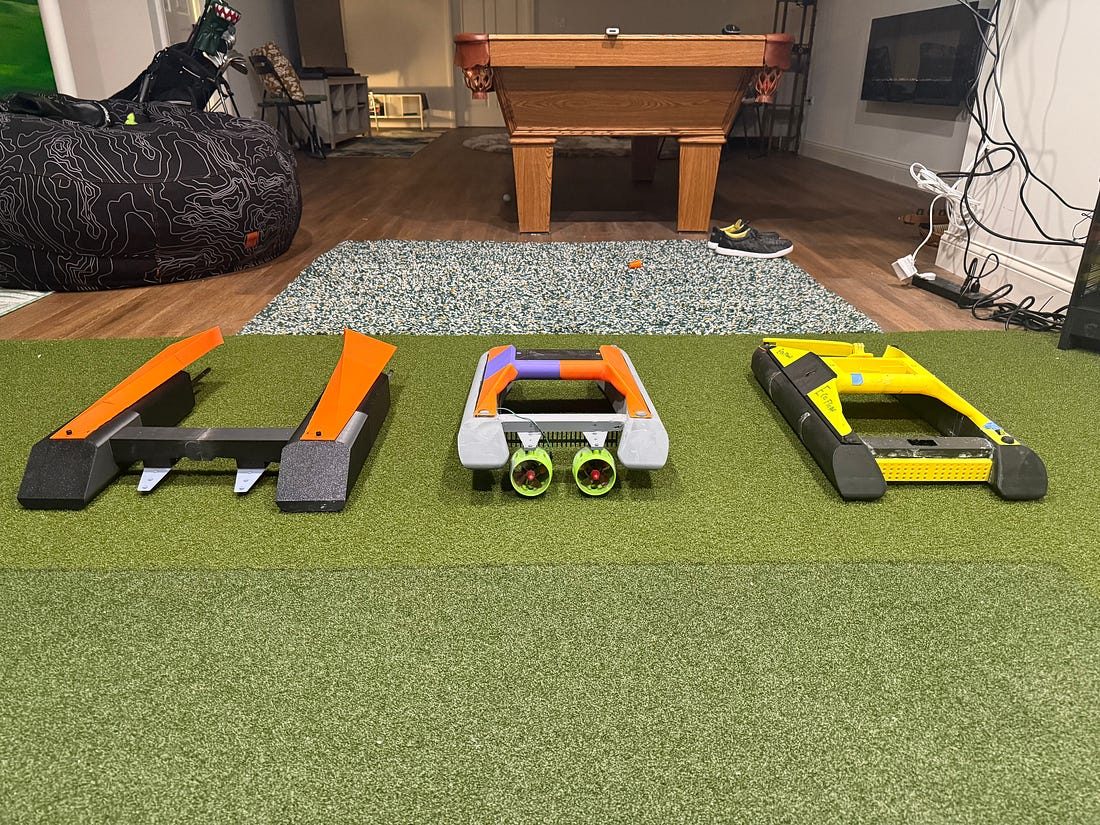
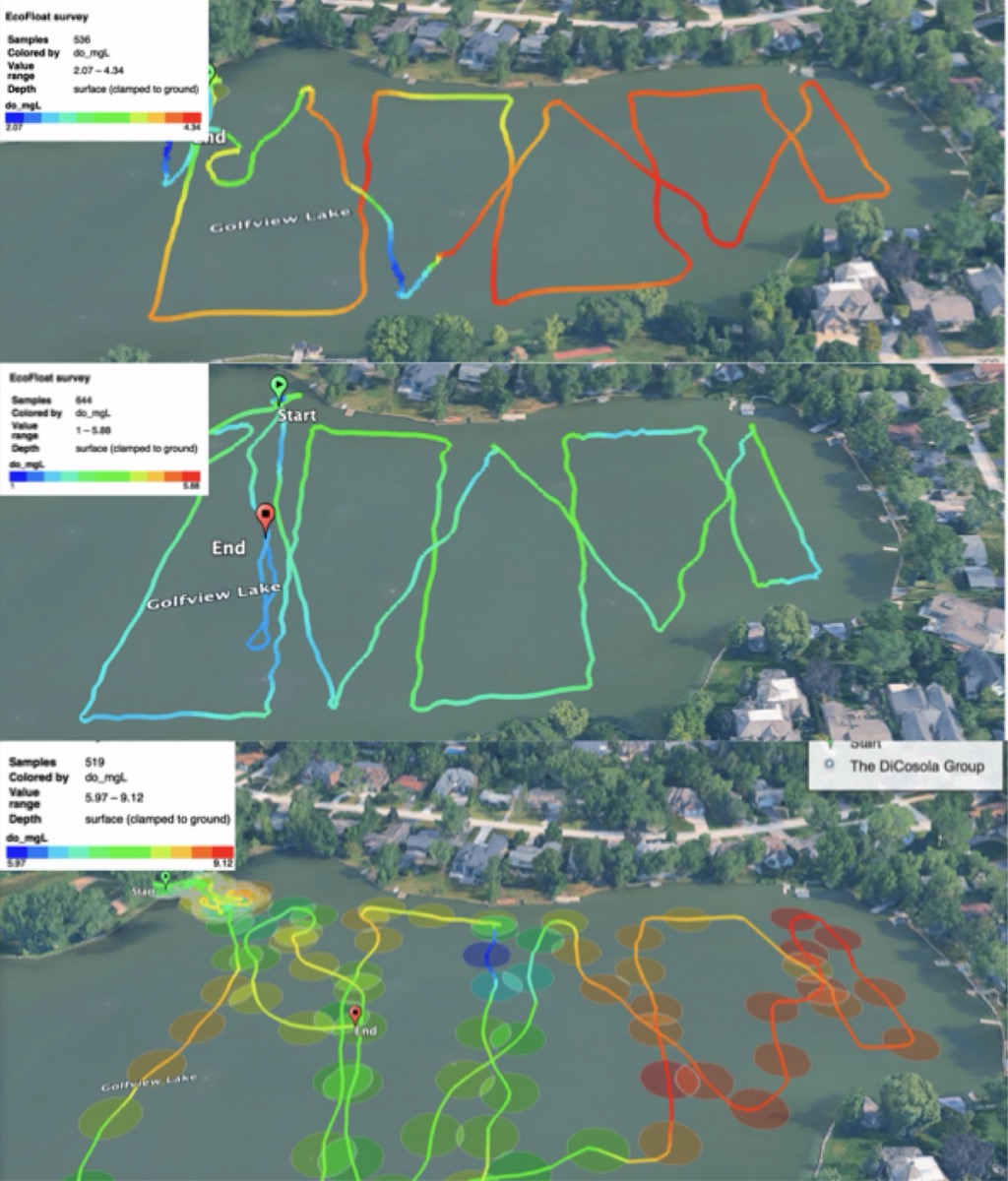
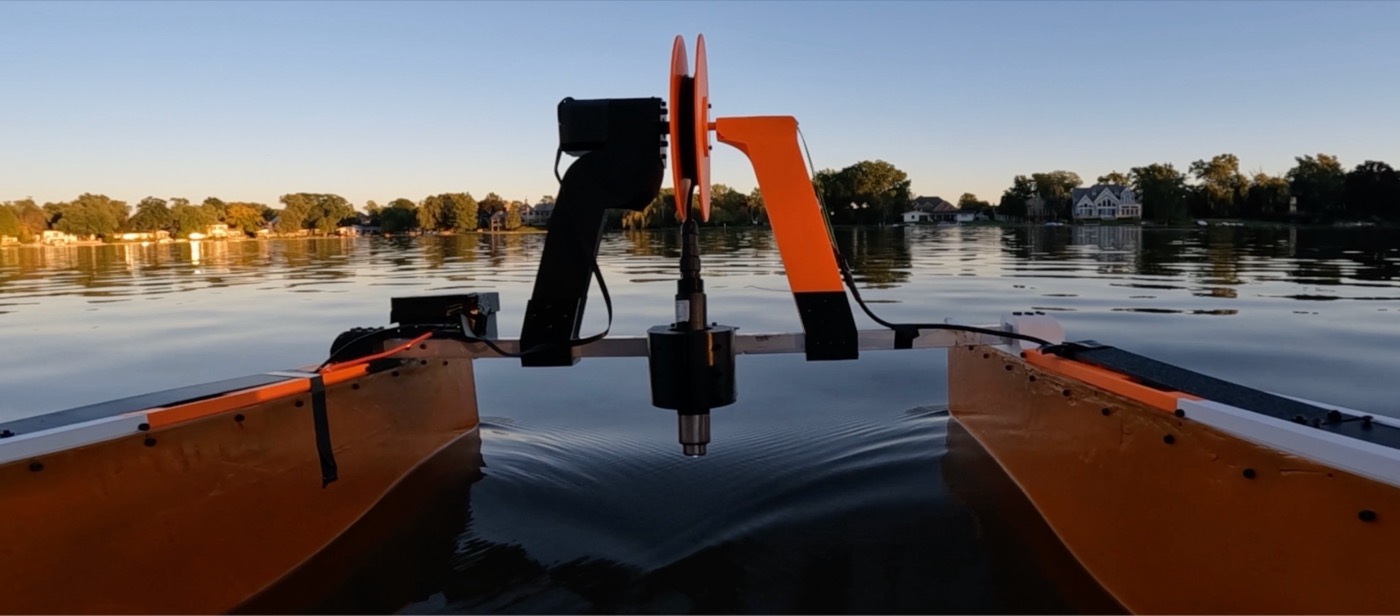
I've had the tools and the chance to learn this. I want kids who might not have a 3D printer at home to feel that same pride of making something themselves.
The full build notes for everything above are on madebyahaan.com.
Questions people ask
What does it cost?
Nothing. I cover the printers, the filament, and the project materials. Families and hosts don't pay anything.
Do kids need any experience?
No. Session 1 starts from zero: making an account and learning to move around in Tinkercad.
Do we need to install anything?
No. Tinkercad is free and runs in a web browser, so any internet-connected computer works. The printer plugs into a normal outlet.
Do kids keep what they make?
Yes. Everything they design gets printed, and they take it home that day or at the next session.
Who supervises?
One of my parents, at every session. Your staff don't have to teach or run anything.
Are you a company or an organization?
No, we're two volunteers. There's nothing to buy, no fees, and no contract.
Where do you run sessions?
At libraries, community centers, and youth programs around Hinsdale and in Chicago.
I'm a parent. How can my kid join?
Kids sign up through the library or program that hosts a session. If you'd like C4G near you, ask your library to host it, or email me and tell me where you are.